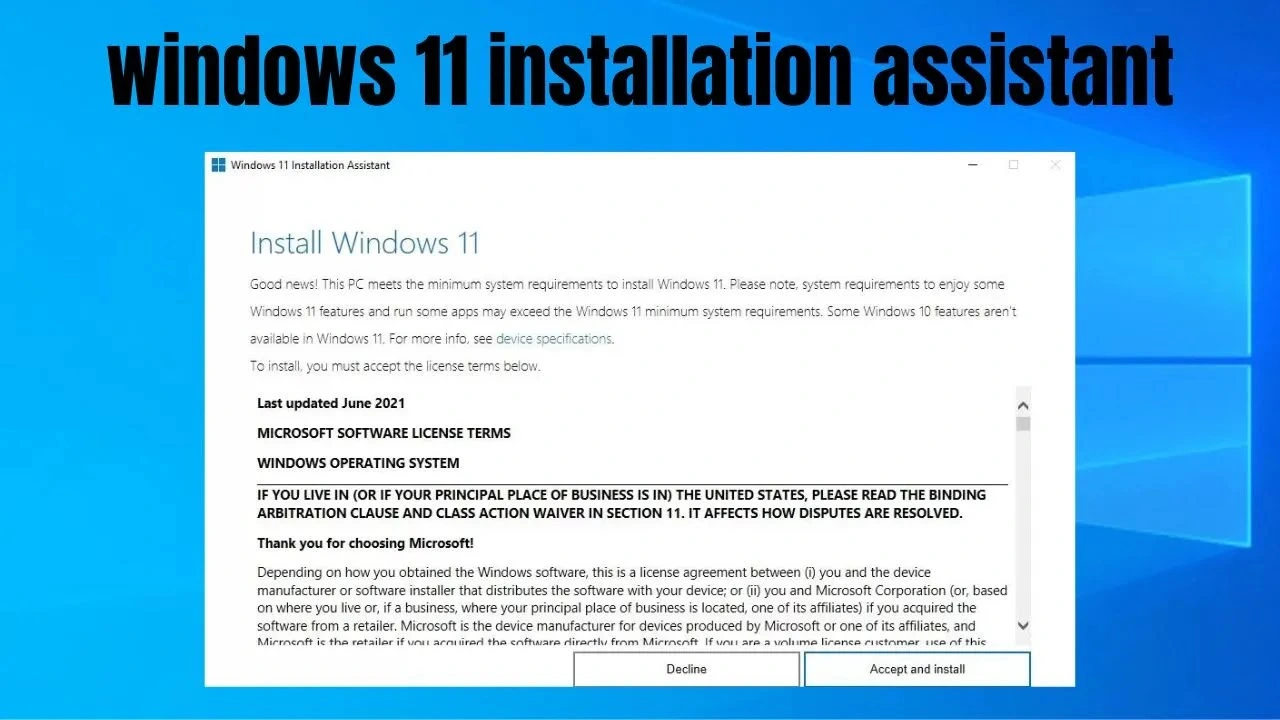
Windows 11

broken laptop screen

how to fix a broken laptop screen 3 ways fix now

In today’s fast-paced digital era, broken laptop screen have become an essential tool for both personal and professional use.

They offer convenience, mobility, and efficiency; however, one common issue that laptop users often encounter is a broken screen.

A broken laptop screen can be a major setback, hindering productivity and causing frustration.

It not only affects the visual aesthetics of the device but also disrupts workflow and creates a sense of helplessness.

In this blog post, we will delve into the repercussions of a broken fix screen laptop  explore the reasons behind these occurrences, and provide valuable insights on how to prevent and address this troublesome glitch in productivity.

[ez-toc]

how to fix laptop screen

  • The laptop screen is one of the most critical components of any portable computer. But what do you do when it starts displaying random colors, flickers intermittently, or remains completely black.
  • Don’t panic, as there are several steps you can take to troubleshoot and potentially resolve the issue on your own.
  • Begin by checking the display settings and ensuring the brightness is set appropriately. If that doesn’t work, try connecting an external monitor to determine if it’s a hardware or software problem.
  • Check Graphics driver: Updating your graphics driver to the latest version might also resolve any compatibility issues.
  • Checking internet: In some cases, a physical connection problem could be the culprit, so inspect the cable connecting the screen to the laptop’s motherboard.
  • If all else fails, it might be necessary to seek professional assistance or consider replacing the laptop screen altogether.

Remember, with some patience and the right troubleshooting techniques, you can often fix a laptop screen issues without the need for costly repairs.

2.Check for driver updates

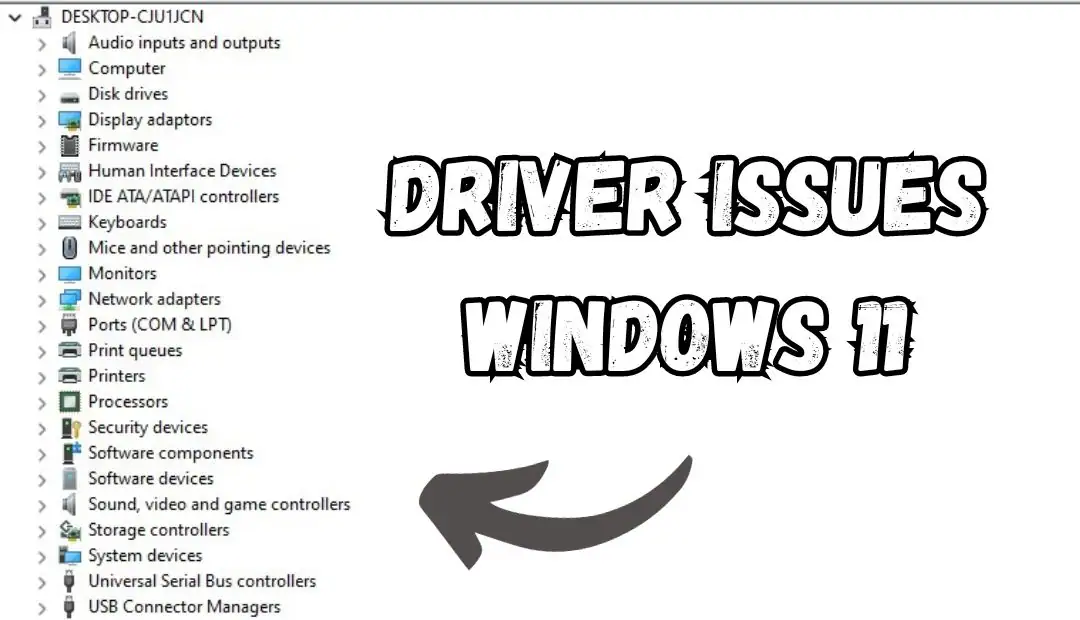
Press the Windows key + X and select “Device Manager” from the menu.

In the Device Manager window,

device manger
device manger

expand the categories and locate any devices with a yellow exclamation mark icon.

Right-click on the device and select “Update driver.”

Choose the option to automatically search for updated driver software.

If any updates are found, follow the on-screen instructions to install them.

can you fix a laptop with a broken screen

As a professional blog post writer, I’m here to address a common concern among laptop users – can you fix a laptop with a broken screen.

The answer, fortunately, is yes! A broken laptop screen can be a frustrating and unsettling experience, but rest assured that you have options when it comes to resolving this issue.

While it may initially seem daunting, repairing a broken laptop screen is entirely possible and can often be more cost-effective than purchasing an entirely new device.

With the advancement of technology, various methods and resources are available for fixing a broken laptop screen, ranging from DIY solutions to seeking professional assistance.

By choosing the right approach and following a few simple guidelines, you fix a laptop screen back to full functionality in no time.

how to fix broken laptop screen

A broken laptop can be a frustrating experience, especially if you rely on it for work or personal use.

However, before giving in to panic or rushing to the nearest repair shop, consider a few troubleshooting steps that could potentially save you time and money. The first step is to identify the problem.

Is it a physical damage, a software issue, or a combination of both? Physically inspect the laptop for any visible damages, such as a cracked screen or loose connections.

conclusion broken laptop screen

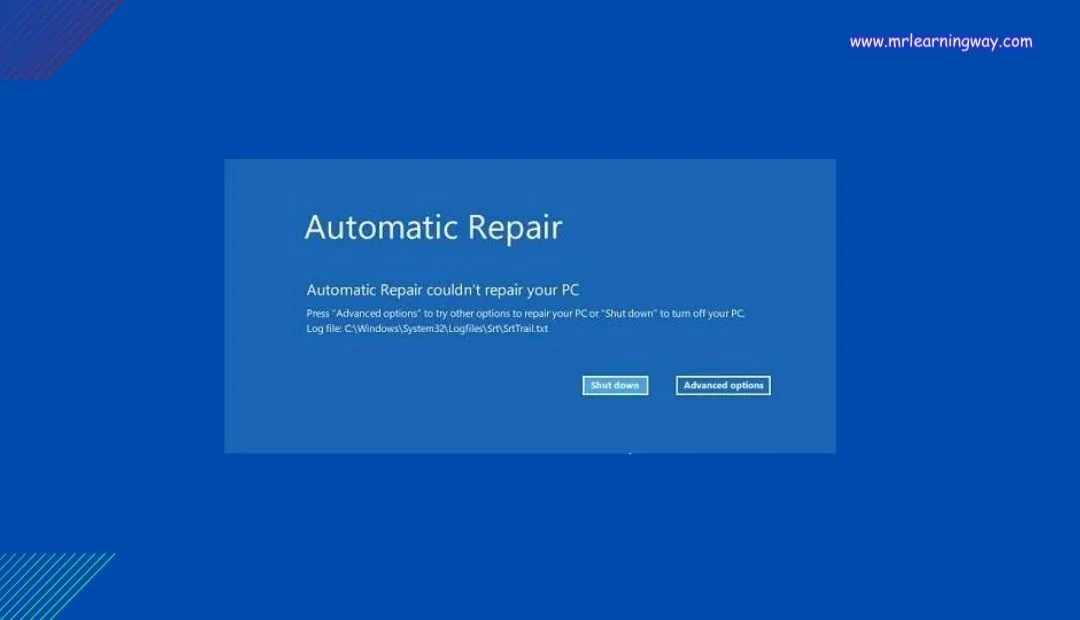
If there are no obvious physical issues, try restarting the laptop to see if it resolves any minor software glitches.

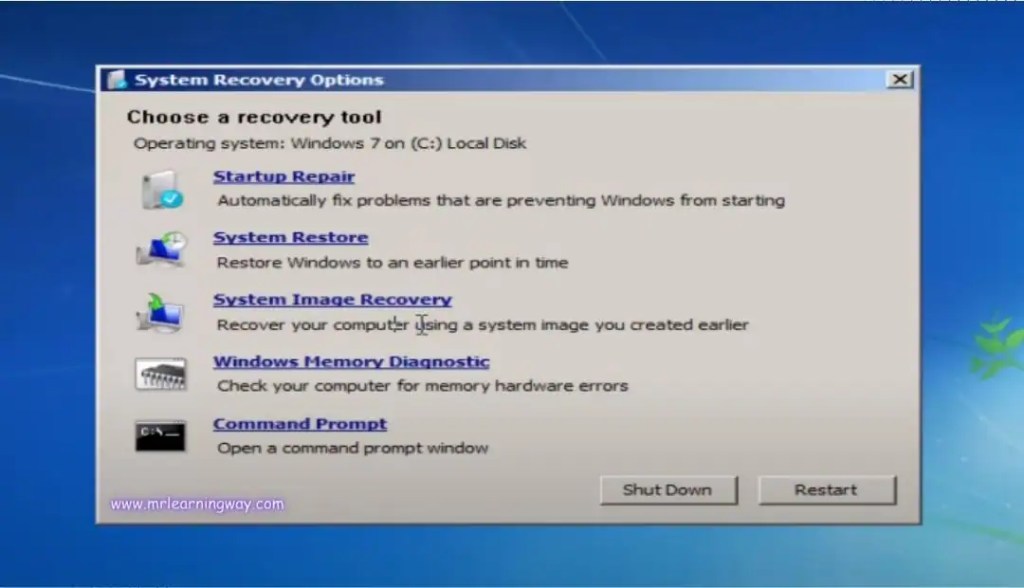
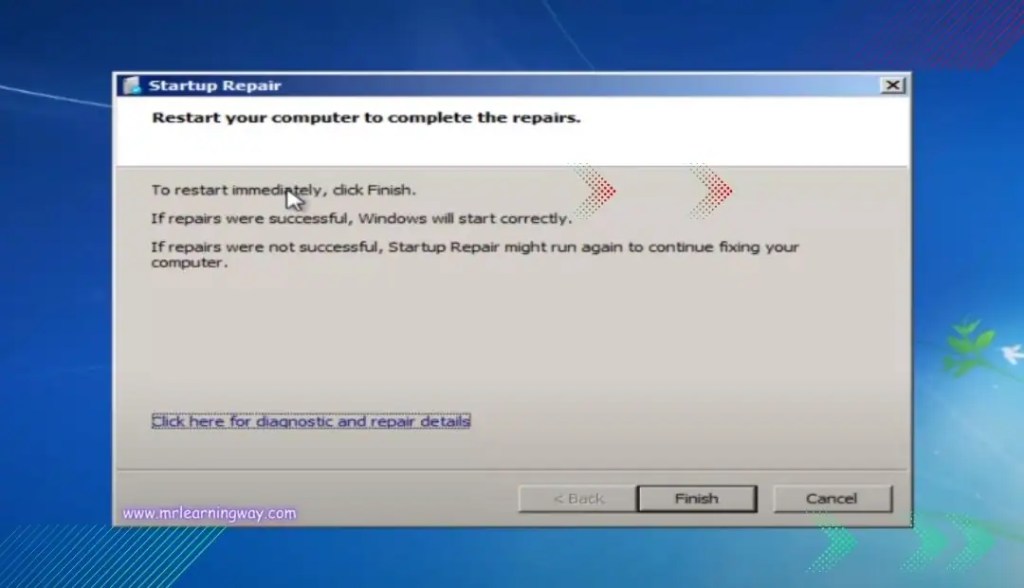
Should these initial troubleshooting steps fail, fear not, for there are still several options to explore before seeking professional assistance.

fix driver issues windows 11

fix driver issues windows 11 now

    Driver issues are a common concern for Windows users, and with the recent release of Windows 11, many are eagerly upgrading to the new operating system. However, as with any major upgrade, there are inherent compatibility challenges that may arise, specifically in terms of drivers.

Driver issues Windows 11 introduces a host of new features and improvements, which require updated drivers to ensure seamless integration and optimal performance.

In this blog post, we will delve into the world of driver issues Windows 11, explore common problems faced by users, and provide effective solutions to tackle these challenges head-on.

Whether you are a technophile or a casual user, understanding and addressing driver issues windows 11 is crucial for a smooth transition to Windows 11.

Why This Driver Issues Windows 11?

As the technological landscape continually evolves, Microsoft recently rolled out its highly anticipated Windows 11 operating system.

While this upgrade brings forth a plethora of new features and enhancements that promise to revolutionize the user experience, it does not come without a few challenges.

 One prominent issue that many users have encountered is related to driver compatibility. Windows 11 introduces a more stringent driver certification requirement, which means that certain older hardware or devices might not be supported.

This, understandably, has triggered frustration for some individuals who have found their printers, scanners, or other peripherals suddenly dysfunctional after the Windows 11 update.

 Whether it’s outdated graphics or audio drivers, or simply manufacturers not adapting quickly enough, the driver issues Windows 11 plaguing have proven to be an obstacle for those eager to embrace the latest Windows version.

How do i fix Driver Issues in Windows 11

1.Check for driver updates

Press the Windows key + X and select “Device Manager” from the menu.

In the Device Manager window,

driver issues windows 11

expand the categories and locate any devices with a yellow exclamation mark icon.

Right-click on the device and select “Update driver.”

Choose the option to automatically search for updated driver software.

If any updates are found, follow the on-screen instructions to install them.

2.Check for Windows update

    • Press the Windows key + I to open the Settings app.
driver issues windows 11
    • Select “Check for updates” and allow your computer to search for available updates.
    • If updates are found, click “Download” and let the process complete.
  • Restart your computer once the updates have been installed.

3.disable antivirus protection

    • Open the settings, and Go to Windows security.
  • After clicking on virus & threat protection.
    • see the new page and select manage settings.  
  • After disabling the real-time protection.
  • click the yes.

Cause and Issues: Driver Issues in Windows 11

With the release of Windows 11, there has been a significant shift towards a sleeker and more modern operating system. However, like any new software, Windows 11 comes with its own set of challenges.

  One of the prominent issues that users have been facing is driver compatibility. As Windows 11 introduces new features and improvements, it often requires updated drivers to ensure smooth functioning of hardware components.

CMD:

Open the CMD Terminal Use Below the Commands:

  • pnputil /enum-driver
  • pnputil /delete-driver

  This has proven to be a cause of frustration for many, as not all manufacturers have released timely driver updates. Consequently, users have been experiencing issues such as hardware malfunctions, performance slowdowns, and even system crashes.

   Addressing these driver issues windows 11 and ensuring compatibility across various hardware configurations remains a crucial task for Microsoft in order to offer a seamless experience for all users.

Conclusion:

    Driver issues can be a frustrating setback when it comes to using a new operating system like Windows 11. While the highly anticipated upgrade promises enhanced features and a revamped user interface, the compatibility of drivers with this new platform is crucial for uninterrupted performance.

It is paramount for users to ensure that all necessary drivers are up to date and compatible with driver issues Windows 11, as outdated or incompatible drivers can lead to system crashes, device malfunctions, and even security vulnerabilities.

   Additionally, driver issues windows 11 can hamper the overall user experience and productivity. Therefore, it is vital for Microsoft and hardware manufacturers to collaborate closely in creating updated drivers to offer a seamless transition to Windows 11, minimizing driver-related problems and optimizing the overall performance of the system.

   By prioritizing driver compatibility and addressing any issues promptly, Windows 11 can provide users with a stable and efficient operating environment, ensuring a smooth transition into the future of computing.

xinput1_3.dll error fix windows 11 Fix now

Are you struggling with an xinput1_3.dll error on your Windows 11 system? Fret not, as in this blog post, we will guide you through the process of fixing this error and getting your system back to its optimal functionality. The error is a common issue that Windows users face, often resulting in the malfunctioning of certain games or applications. So, if you’re ready to bid adieu to the error and enjoy a seamless gaming or application experience, let’s dive into the solutions to fix the error on your Windows 11 device.

Why This xinput1_3.dll Error Fix is Essential for Windows 11

When it comes to operating systems, Windows 11 has undoubtedly made a significant impact in the tech world. However, even the most advanced systems like Windows 11 can occasionally encounter errors that disrupt the user experience. One such error that users commonly encounter is the error.
This error arises when the system fails to locate or load the  file, which is essential for running certain applications or games. This error can be frustrating for users who rely on these applications for work or leisure. To maintain the smooth functioning of Windows 11, it is essential to address this error promptly. A reliable and effective xinput1_3.dll error fix can save users from potential headaches and ensure uninterrupted use of their favorite applications and games.

How to fix xinput1_3.dll error

1.Restart System

  • Press the start menu and click here. 
  • Now the power key icon click here. 
restart laptop with keyboard
  • After showing the Restart click. 

2.Run the Administrator: Command Prompt

    • Press the Windows key and X, and type the Command Prompt in the search.
    • Right-click in the Run as administrator and click here.
    • After that open it by a new tab and Yes click here.
    • Now, Open it Command Prompt.
  • Given the Command in below and Use it.
                      for %1 in (*.dll) do regsvr32 /s %1

3.Download Xinput1_3.dll

  • Below Download Button click here.
  • Extract Zip file.
  • Open the Folde and Select the all file
  • Copy to paste this locate:
  • C:\Windows\SysWOW64
  • After restart you’re System.

4.CMD

  • wsl –install
  • wsl –update

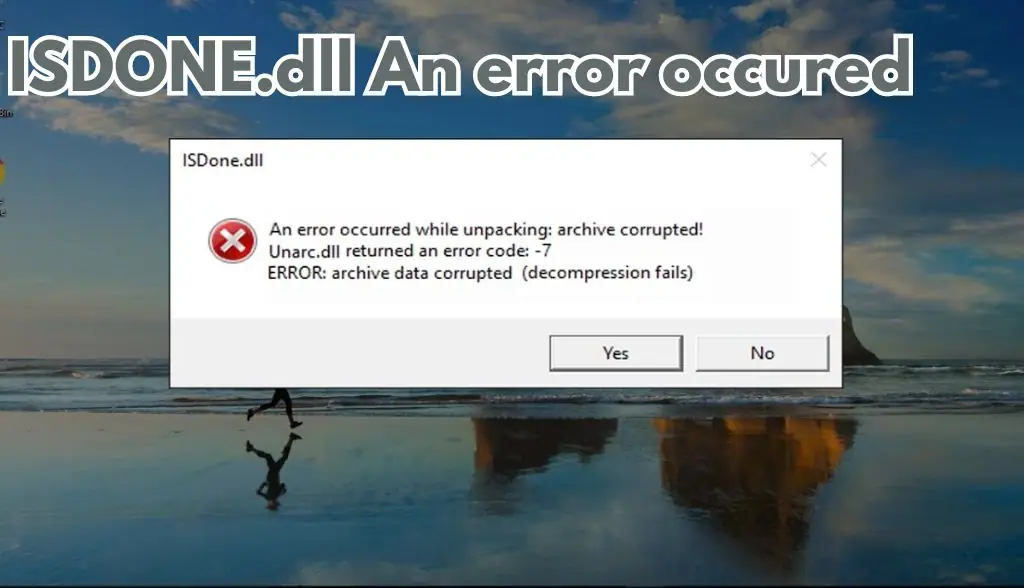
Cause and Issues an error occured when unpacking unarc.dll error

Windows 11 is the latest operating system from Microsoft, offering a range of exciting features and enhanced performance. However, like any other software, it is not immune to errors and glitches. One such issue that users may encounter while using Windows 11 is the an error occurred when unpacking unarc.dll error. This error often occurs when the file goes missing or gets corrupted, resulting in various software and gaming-related problems. Fortunately, there are several effective fixes for this error, including reinstalling DirectX, updating graphics drivers, or manually replacing the an error occured when unpacking unarc.dll. By following these troubleshooting steps, users can resolve the error and ensure smooth functioning of their Windows 11 operating system.

Conclusion:

In conclusion, if you are encountering the an error occurred when unpacking unarc.dll on Windows 11, there are several effective solutions that can help you resolve this issue and get your system back up and running smoothly. Firstly, you can try reinstalling the DirectX package, as this error often occurs due to corrupted or missing DirectX files. Additionally, updating your graphics drivers and performing a system scan using reliable antivirus software can also help identify and fix any potential conflicts causing the error. Moreover, manually replacing the Xinput1_3.dll file from a trusted source or performing a system restore can be viable options if the aforementioned solutions do not work. Remember to always exercise caution when downloading files from the internet and ensure their authenticity to avoid any further complications. By implementing these troubleshooting steps, you can effectively fix the error and ensure a seamless experience on your Windows 11 operating system.
gpedit

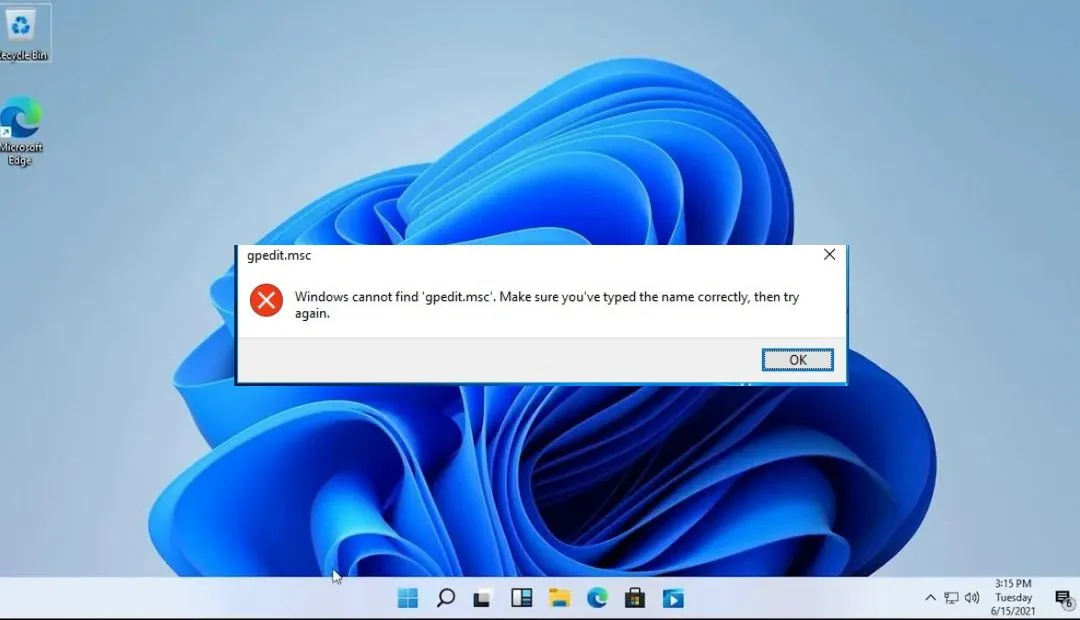
gpedit.msc Missing in windows 10/11

Gpedit (Group Policy Editor) is a powerful tool that allows users to manage various system settings and policies in Windows operating systems.

However, users might encounter a frustrating scenario wherein gpedit seems to be missing from their Windows system. This missing feature can create a sense of confusion and hinder users from customizing their system settings efficiently.

In this blog post, we will explore the possible reasons behind the disappearance of gpedit in Windows and discuss effective methods to restore or access this essential tool.

Cause and Issues: Gpedit Missing in Windows

With the ever-evolving technology and continuous updates in the Windows operating system, it’s not uncommon for users to come across certain discrepancies, and one such common issue is the missing Group Policy Editor, also known as gpedit.msc.

The cause of this inconvenience can be attributed to the version of Windows being used. Unfortunately, the Group Policy Editor is not available as a built-in feature in all editions of Windows, particularly the home editions such as Windows 10 Home, Windows 8.1 Home, and previous versions.

This absence can pose challenges for users who wish to harness the advanced configuration options and the granular control over system settings that the Group Policy Editor offers.

Nonetheless, there are alternative methods available that can help users overcome this limitation and still have some control over the system’s policies.

How Do I Fix gpedit.msc Missing in Windows

  • Press the start menu and click here. 
  • Now the power key icon click here. 

restart laptop with keyboard

  • After showing the Restart click. 

2.Run the Administrator: Command Prompt

  • Press the Windows key and X, and type the Command Prompt in the search.
  • Right-click in the Run as administrator and click here.
  • After that open it by a new tab and Yes click here.
  • Now, Open it Command Prompt.
  • Given the Command in below and Use it.
  • gpupdate
  • gpupdate / force
  • gpedit.msc


3.services

  • Press Win + R to open the Run dialog.

  • Type services.msc and press Enter.
  • Find the group policy client and open it.

Security Center service

  • Services Status: Stopped to change Running
  • So, Below Start Click and apply and OK click here.

4.gpedit.msc install

  • Below Download Button click here.
  • File Format Change  .txt to .bat.
  • So Rename Click to Change Format.
  • .txt clear to type the gpedit.bat Change it.
  • File right Click Run as admin Click it.
  • Restart System.

  Conclusion:

In conclusion, it is evident that the absence of the Group Policy Editor (gpedit) in certain versions of Windows can be a source of frustration for many users.

While this powerful tool is available in the Pro and Enterprise editions of Windows, those using Home or Starter editions may find themselves lacking access to its extensive customization and management capabilities.

It is important for users to have a clear understanding of their operating system’s limitations and to explore alternative solutions in order to achieve their desired configurations.

Whether it is through manually tweaking the Windows Registry, utilizing third-party software, or seeking professional assistance, there are still options available to enhance system control and functionality even without gpedit.  


   Ultimately, as Microsoft continues to evolve and release new updates and versions of Windows, it is crucial that they consider the needs and demands of all users, regardless of their edition, to provide a more seamless and unified experience for everyone.

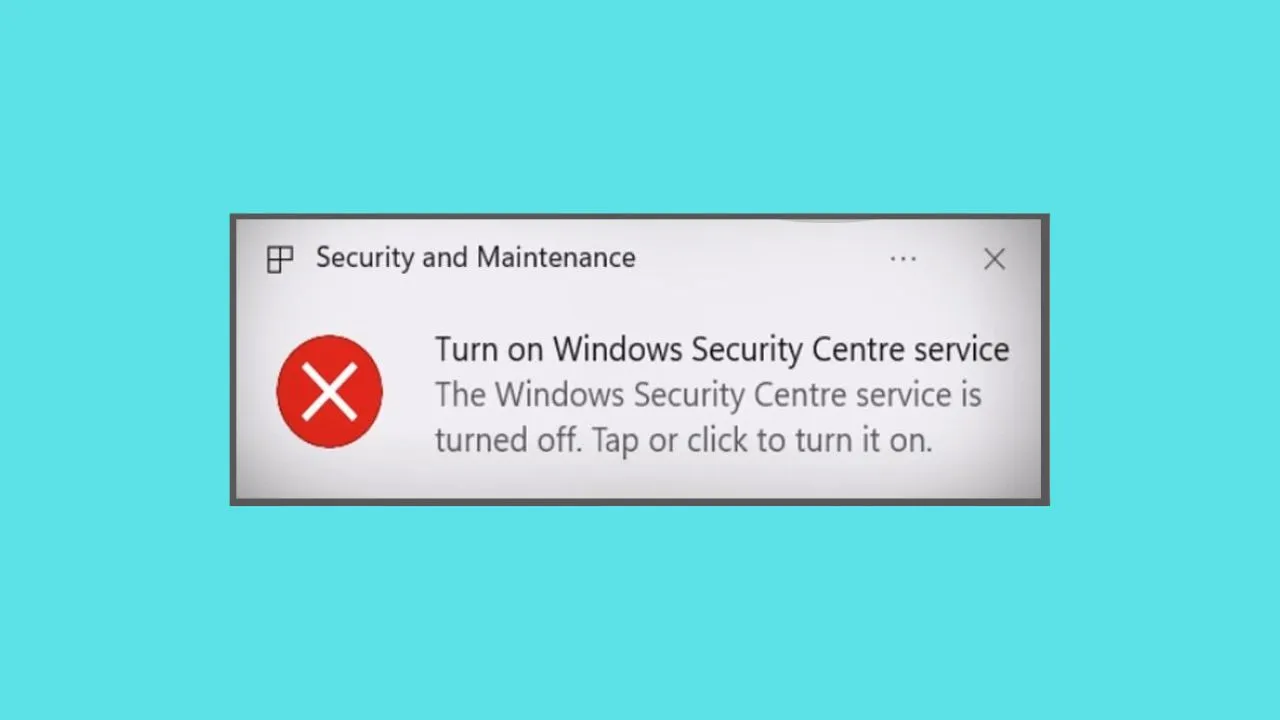
The Security Center service can’t be started in 2023

What is Windows Security Center Service?

    Windows Security Center Service is a vital component of the Windows operating system, designed to monitor and manage the security settings of your computer.

It acts as a centralized hub, providing real-time information and alerts regarding the status of various security features such as firewalls, automatic updates, virus protection, and other related functions.

By continuously monitoring and reporting on the security health of your system, the Windows Security Center Service ensures that your PC is adequately protected from potential threats and vulnerabilities.

This service plays a critical role in safeguarding your data, privacy, and overall system integrity, making it an essential component for any Windows user.

What Causes Windows Security Center service to malfunction and how to fix it efficiently?

  The Windows Security Center service is a crucial aspect of the operating system that ensures protection and defense against potential threats.

However, there are instances when this service experiences issues, leaving the computer vulnerable to attacks. Various factors can disrupt the Windows Security Center service, such as malware infections, incorrect system settings, software conflicts, or outdated antivirus programs.

To resolve these issues effectively, users can follow a few troubleshooting steps.

Firstly, performing a full system scan with trusted antivirus software can detect and remove any malware infections that might be affecting the Security Center service.

Additionally, verifying the system settings and ensuring the necessary services are running can help resolve any conflicts.

Updating the antivirus software and keeping the operating system up-to-date with the latest security patches is also essential to maintain the functionality of the Windows Security Center service.

How do I fix the Windows Security Center service is turned off?

1. Restart Your Computer :

  • Press the start menu and click here.
  • Now the power key icon click here.

restart laptop with keyboard

  • After showing the Restart click.

2.Run the Administrator: Command Prompt

  • Press the Windows key and X, and type the Command Prompt in the search.
  • Right-click in the Run as administrator and click here.
  • After that open it by a new tab and Yes click here.

  • Now, Open it Command Prompt.
  • Given the Command below and Use it. 
  • sfc /scannow
  • dism /online /cleanup-image /restorehealth

3. Download and install WSCSVC.Dll

  • Download the WSCSVC.dll file.
  • Right-click and copy the file.
  • Locate the C:\Windows\SysWOW64 and paste.
  • Restart your device.

4. Change Windows Security Services:

  • Press Win + R to open the Run dialog.

  • Type services.msc and press Enter.
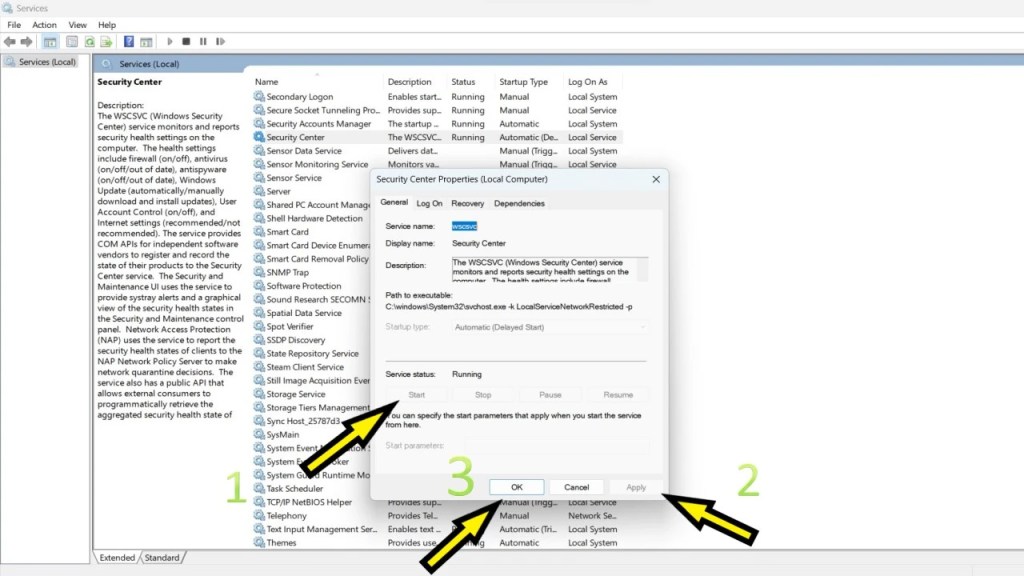
  • Find the Security Center and open it.

Security Center service

  • Services Status: Stopped to change Running

Security Center service

  • So, Below Start Click and apply and OK click here.

Download And Install Windows Security

  • Below the Download Button Click On it.

Download

  • You Can Extract Zip File.
  • After You are do the Install the windows Security.exe 
  • Next,Restart the System.


How do I start the Wscsvc.dll service?

  Are you experiencing issues with your Windows Security Center Service not turning on? Don’t worry, we’ve got you covered! Here’s a step-by-step guide on how to fix this problem and ensure the proper functionality of your security measures.

Firstly, press the Windows key and the R key simultaneously to open the Run dialog box.

Type “services.msc” and hit Enter. In the Services window, scroll down to locate the “Security Center” service.

Right-click on it and select “Properties.”

In the Properties window, under the General tab, ensure that the “Startup type” is set to “Automatic.”

If it is not, change it to “Automatic” click on “Apply” and then “OK.”

Restart your computer and check if the Windows Security Center Service is now turned on. Following these steps should help resolve any issues you were facing, enabling you to have reliable protection against potential threats.


Why can’t I turn on the Windows Security Center service?

Why can’t I turn on the Windows Security Center service? This frustrating issue can often occur due to various reasons, causing concern and leaving your computer vulnerable to potential security threats.
One common cause could be the presence of a malware infection that specifically targets the Security Center service, disabling it to avoid detection and removal.
Another possibility is that the service has been inadvertently turned off or its associated files have become corrupted.
A less common reason could be a conflict with other security software installed on your system, leading to the inability to start the Windows Security Center service.
Regardless of the cause, it is crucial to address this issue promptly to ensure the continuous protection and smooth functioning of your computer.

Conclusion: Turn on the Windows Security Center service.

Conclusion: Turning on the Windows Security Center service is crucial for ensuring the safety and security of your computer system.
By activating this service, you gain access to a comprehensive suite of security features and tools that help protect your device from viruses, malware, and other online threats.
The Windows Security Center monitors the status of essential security components such as antivirus software, firewall protection, and automatic updates, providing you with real-time alerts and notifications regarding any potential security risks.
With this service enabled, you can have peace of mind knowing that your computer is being actively safeguarded against external intrusions, enhancing your overall digital experience.

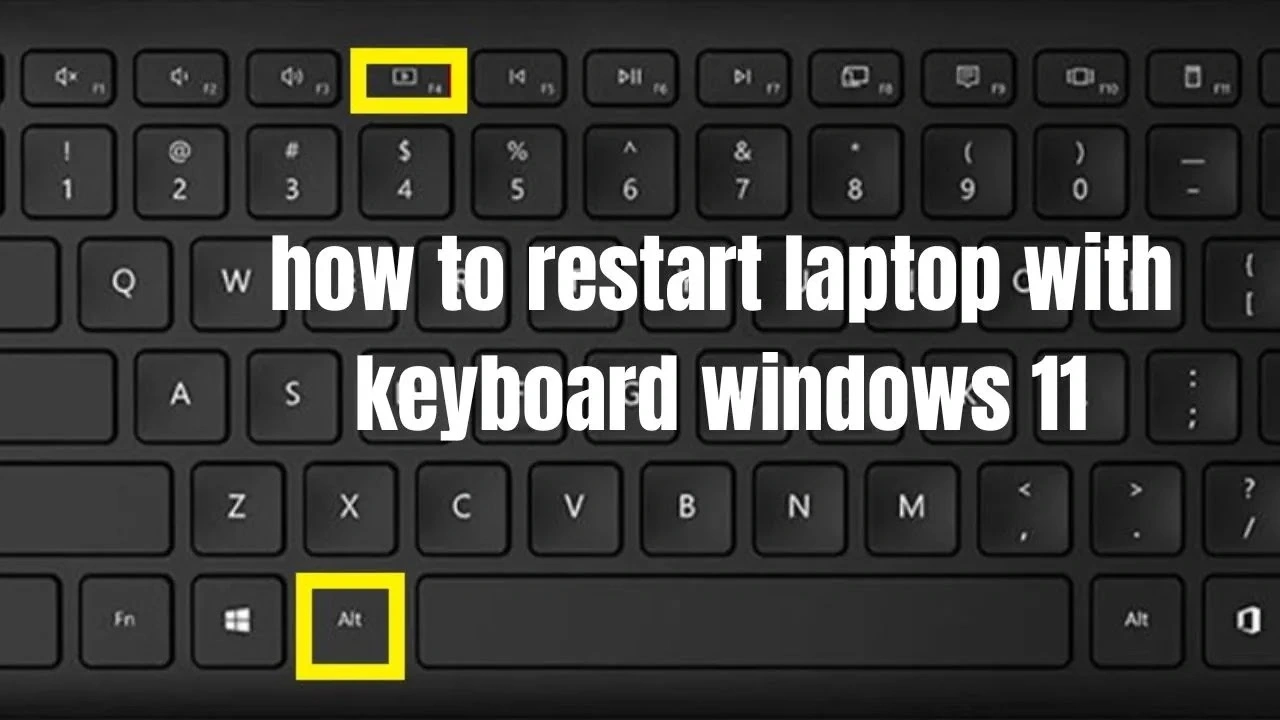
how to restart laptop with keyboard windows 11

Restart laptop with keyboard windows 11

  Restarting your laptop can be a necessary step to restart laptop with keyboard issues or get the system running smoothly again.

While you can use the mouse to click on the Start menu and then choose the Restart option, using the keyboard can save you time and effort.

In Windows 11, there are several keystrokes you can use to restart your laptop quickly.

For example, you can press Ctrl+Alt+Delete, which opens the security screen, and then click on the power icon in the bottom right corner, followed by the Restart button.

Alternatively, you can press Win+X to open the Quick Link menu and select Restart from there.

By knowing these keyboard shortcuts, you can restart your laptop without taking your hands off the keyboard, which can streamline your workflow and boost productivity.  

why this restart laptop with keyboard windows 11


As we all know, restarting your laptop from time to time is important for its overall performance and efficiency.

And with the introduction of Windows 11, restarting your laptop restart laptop with keyboard has become even easier with the keyboard shortcut.

The keyboard shortcut to restart your laptop with Windows 11 is a quick and efficient way to ensure that any updates or changes are properly applied to your system.

It also helps to clear any background processes that may be causing your laptop to slow down.

By using this simple shortcut, you can ensure that your laptop remains in optimal condition for longer periods of time.   

How to fix restart laptop with keyboard windows 11

1.Restart Windows 11 shortcut 


  • Press start menu click here. 
  • Now the power key icon click here. 

restart laptop with keyboard

  • After show the Restart click. 

2.Shutdown Windows 11 shortcut 


Press the Alt+F4 or Alt +Fn+F4. 

Now, Show the Shutdown windows. 

restart laptop with keyboard

Below Select the Shutdown And ok click here. 


3.Other Method For Shortcut Shutdown 


  • Press the Win + X Key and power user menu. 

  • Now Below Show shut down and sign out. 
  • Click to Shut down, sign out, Restart. 


4.cmd to shutdown shortcut 


  • Go to Search bar click type cmd. 

  • Command prompt right-click Run as administrator click. 

  • After Yes click to open it command prompt. 

  • Below given the command following copy paste to press enter. 


                  Shutdown /a 

                   Shutdown –r 


Your laptop should now restart, and you can hopefully resolve any issues you were experiencing. 


other methods


If you’re using the latest Windows 11 operating system and find yourself in a situation where your laptop is unresponsive or you simply need to restart it quickly, fret not, as there’s a simple keyboard shortcut to help you out.


To restart your laptop using only your keyboard in Windows 11, you can follow these easy steps.


First, press and hold the “Ctrl” key on your keyboard. Then, simultaneously press the “Alt” key and the “Delete” key.


This will bring up a menu with various options, including the ability to restart laptop with keyboard your laptop.


Using the arrow keys on your keyboard, navigate to the “Restart” option and press the “Enter” key.


Your laptop will now begin the restart process, allowing you to resolve any performance issues or start fresh with a rebooted system.


conclusion


In conclusion, restarting your laptop with the keyboard in Windows 11 can be a simple yet effective way to troubleshoot various issues and maintain optimal performance.


Whether you encounter software glitches, slow response times, or unresponsive programs, a restart can often resolve these problems by refreshing the system and clearing any temporary files or processes that may be causing the issue.

Additionally, restarting your laptop regularly can help prevent potential hardware glitches and enhance overall system stability.


Taking advantage of the keyboard shortcut to restart your Windows 11 laptop can save you time and effort, as it provides a convenient alternative to navigating through menus and options.


So, next time you face any tech-related hiccups, don’t forget to utilize the power of a simple restart laptop with keyboard through your laptop’s keyboard in Windows 11.


how to fix registry errors windows 11

       Registry errors are a common problem that Windows 11 users may encounter, leading to frustrating system performance issues.

The Windows registry plays a crucial role in storing vital settings and information necessary for the proper functioning of the operating system.

However, over time, invalid or outdated entries can accumulate, resulting in registry errors.

These errors can cause programs to crash, slow down the system, or even lead to the infamous Blue Screen of Death.

Resolving registry errors requires a competent understanding of the Windows registry structure and the use of reliable registry cleaning software.

By regularly scanning and fixing registry errors, Windows 11 users can optimize their system’s performance, enhance stability, and ensure a smooth and hassle-free computing experience.

What causes broken registry in Windows 11?

The Windows registry plays a critical role in the proper functioning of the operating system, acting as a database that stores important settings and configurations for installed software, hardware, and the operating system itself.

However, several factors can contribute to a broken registry in Windows 11.

One common cause is the installation and uninstallation of programs without proper procedures, leaving behind invalid or corrupt entries in the registry.

Similarly, malware or viruses can also infect the registry, causing damage or altering its contents.

Additionally, power outages or system crashes during registry updates or modifications can result in an inconsistent or broken registry.

Furthermore, using unreliable or incompatible registry cleaning tools can unintentionally delete essential registry entries, further exacerbating the issue.

Therefore, it is crucial to exercise caution while installing and removing software, regularly update antivirus software.

Use trusted registry maintenance tools to minimize the risk of a broken registry in Windows 11.

How To Fix Registry Errors Windows 11

Method 1:Run the Administrator: Command Prompt

     Fixing registry errors in Windows 11 is crucial to ensure smooth system performance and enhance user experience. The registry acts as a central database that stores important settings and configurations for various applications and system components.

  • Press the Windows key and X, type the Command Prompt in the search.
  • Right – click in the Run as administrator and click here.


  • After that open it by confirmation tab and Yes click here.
  • Now, Open it Command Prompt.

                          registry errors

  • Given the Command in below and Use it. 

dism.exe/online /Cleanup-image /Restorehealth

sfc /scannow

Chkdsk /f/x C:

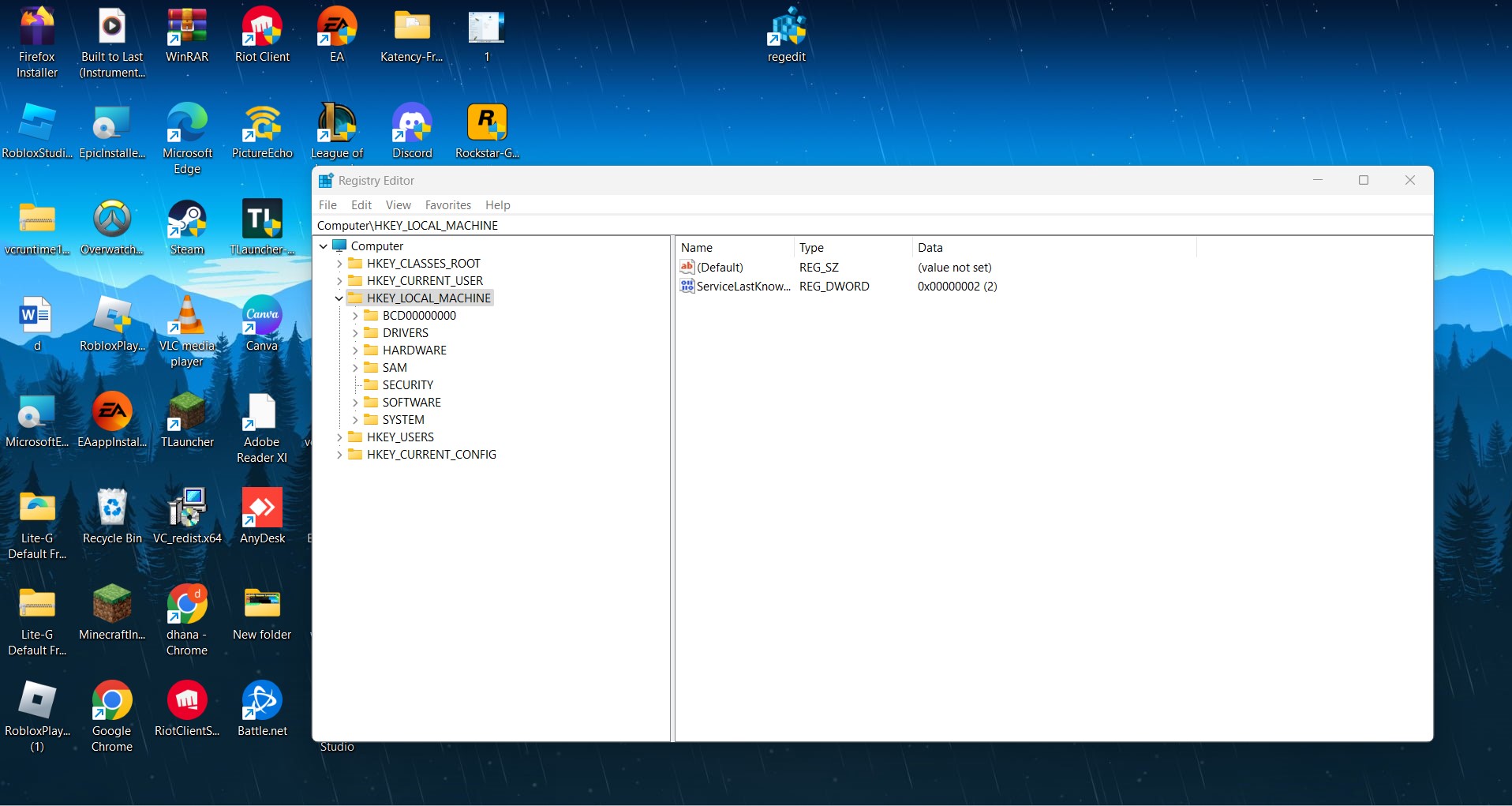
Method 2:Backup registry editor:

    One such tool is the Registry Editor, where users can manually edit, repair, or delete registry entries. Additionally, employing a reliable third-party registry cleaner software can efficiently scan and fix errors automatically, optimizing the system’s performance.

  • Press Win + X and Select in the run.

registry errors

  • Type the regedit.exe in the open the run.

registry errors

  • Click OK to open the Registry Editor.

registry errors

  • Select the File and show the Export click it.

registry errors

  • Backup the file download location and save it.

Method 3:Import File Regedit.exe

However, over time, it is common for registry errors to accumulate and impact system stability. To rectify this, Windows 11 provides users with several tools and methods to fix registry errors effectively.

  • Open the regedit.exe and click the file.

registry errors

  • Select Import file from file explorer.

registry errors

  • Update the Regedit.exe

registry errors

Method 4:Shortcut the Regedit.exe

However, over time, it is common for registry errors to accumulate and impact system stability.To rectify this, Windows 11 provides users with several tools and methods to fix registry errors effectively.

  • Right click in the desktop any place.

registry errors

  • Shortcut come bring up click New.

registry errors

  • Type the regedit in the open the create shortcut.

registry errors

  • Click the Next and regedit shortcut.

registry errors

  • Click finish to create the shortcut is regedit.exe 

By regularly addressing registry errors in Windows 11, users can enjoy a more secure and streamlined computing experience.

Why This Error: Registry Editor Windows 11?

Registry Editor is a crucial component of the Windows operating system, responsible for maintaining and organizing system settings.

However, like any software, it is not without its flaws.

There may be instances where users encounter error messages related to the Registry Editor while using Windows 11.

These errors can range from minor glitches to more severe issues that could potentially disrupt the system’s stability.

Understanding the reasons behind these errors is essential for troubleshooting and resolving them effectively.

In this blog post, we will delve into some common causes that lead to error messages in the Registry Editor of Windows 11, providing insights for users to address these issues efficiently.